
7 Cultural Trends Coming Out of Jamaica and Africa Right Now

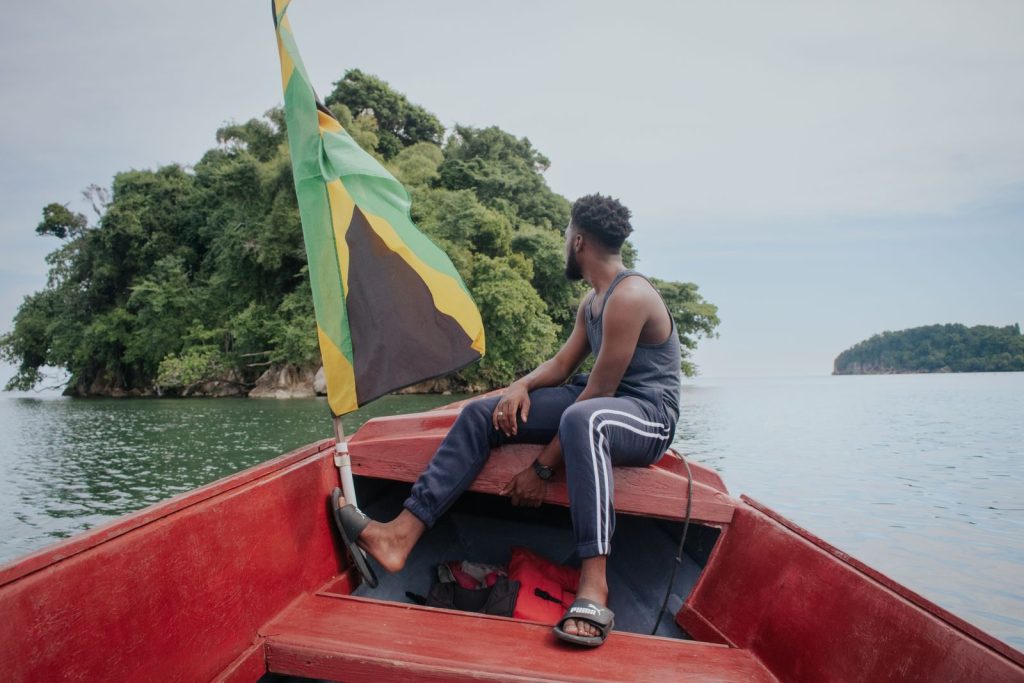
A cultural re-calibration is taking place across Jamaica and Africa. This new landscape is defined by reshaping and affirming identity. Ancient traditions and modern innovations are fusing to create new global standards. From the streets of Jamaica to the digital hubs of Lagos, Nigeria and the African continent, here are the top 7 cultural trends coming out of these regions right now.
Jamaica
1. Reggae music’s Sacred Space is Reborn
The historic recording studio of Bob Marley, Tuff Gong International Studios, reopened in March 2026, after extensive renovation, led by Cedella Marley. The renovation was aimed at restoring the studio’s status as a top-tier recording facility and it is now positioned to continue its legacy as a premier recording space in the Caribbean. The relaunch was attended by Stephen Marley, Marcia Griffiths, and Judy Mowatt, the latter two being back-up singers for Bob Marley.
Africa
2. Afrobeats Becomes a Creative Economy
Africa now has the fastest-growing music industry in the world, with Universal Music Group acquiring a majority stake in Nigerian record company Mavin Global — home to Afrobeats stars Rema and Ayra Starr, whose combined streams hit 6 billion in 2023. This is seen as not just a music trend, but the architecture of a full creative economy taking shape.
With the fast growth in the music industry, this means the continent is shifting from a cultural exporter to a global economic force. Sub-Saharan music revenues grew 15.2% in 2025 to $120 million, it was driven by Afrobeats and Amapiano, this boom represents a huge digital adoption, international mainstream recognition, and a shift toward owning the continent’s own creative narrative. There are still some growing pains to overcome such as monetization challenges and the need for structure.
Jamaica and Africa
3. The “Social Exit” & Digital Sovereignty
In both regions, there is a radical threshold of rejection regarding traditional social media. 2026 is the year of the Social Exit, where “appearing clear-minded” and having cultural competence is becoming the new status symbol.
Social exit is a strategic move to regain focus and autonomy by reducing digital noise by logging out of platforms that provide no value to personal growth. It is about:
- Digital Decluttering: Removing old posts, photos, or comments to clean up one’s online persona.
- Presence Without Performance: Engaging in life, learning, and working without the need to document or live-tweet it.
- Creating Silence: Using tools like “Focus Mode” to create digital silence zones, breaking free from constant notifications and social validation.
African governments are increasingly prioritizing Digital Sovereignty, moving from being policy recipients to creators of regulations that suit local contexts, particularly in financial tech and creative media. Digital sovereignty is the ability to govern one’s own digital space, essentially holding “absolute sovereignty of the individual” in a digital realm. It is:
- Data Autonomy: Protecting one’s own data and deciding who has access to it.
- Independence from Platforms: Rebuilding one’s digital identity on one’s own terms rather than being constrained by the algorithms and rules of major corporations.
- Digital Privacy: Practicing detachment to protect oneself from the “shadow” of one’s past online behavior.
Africa
4. Genetic Homecoming and Ancestry Travel
Africa is experiencing a huge increase in Heritage-led travel, with countries like Senegal, Sierra Leone, Benin, and The Gambia offering “homecoming ceremonies”. Some nations are offering citizenship for those with DNA proof of heritage. The at-home DNA tests, such as 23andMe, has sparked interest in discovering specific ancestral ethnic groups and regions.
Some travellers participate in “homecoming” experiences, as they aim to reconnect with lost histories, cultural traditions, and emotional healing. These are often organized by specialized tour groups like Ashanti African Tours.
Many Black Americans and the Afro-Caribbean diaspora, travel to connect with their roots. Ghana, Benin, and Sierra Leone are major hubs for tracing roots and visiting historic sites related to the transatlantic slave trade. Popular destinations in Ghana include, slavery-era sites like, Door of No Return and Elmina Castle.
Apart from the historical sites, these trips focus on cultural immersion, such as traditional weaving, local cuisine, and community visits. Diaspora members often balance the romanticized views of returning to Africa with the realities of modern life, wIth some deciding to stay permanently.
Africa
5. The Rise of “Micro-Dramas”
With mobile being the primary screen for millions, Micro-Dramas, or 1–2 minute vertical video series, are rapidly growing in Africa. They have become a native format in Africa. These are short, episodic scripted stories for platforms like TikTok, Instagram, ReelShort and DramaBox. They are not just “content,” they act as a development pipeline for full-scale films and podcasts, adapted with local languages and humour. These addictive, fast-paced dramas have gained traction in Nigeria, Ghana, and South Africa driven by high mobile usage.
Jamaica
6. Language is becoming a cultural export
A major cultural shift is happening around identity. Jamaican Patois Patois (pronounced, “patwa”) and African slangs are reshaping global language. Phrases such as: Yeah man,” “No sah!” “ big up yuhself,” “my yute,” “Wah gwaan,” are global slangs. African slang and accents are influencing TikTok, music, and meme, while the youths of the diaspora are boldly blending languages into new hybrid speech styles
This is soft power wrapped in daily, casual talk. Language is a cultural treasury which grows daily through the interaction and new deposit of words and expressions that reflect one’s culture. Code switching will become a thing of the past as the NewGen gets comfortable in their own skin… and speech.
Africa and the Diaspora
7. Rise of the “Afropolitan” and diaspora identity
Natural hair (locs, afros, and braids) is being celebrated as profound expressions of cultural heritage. The pushback against Eurocentric “professional” standards is growing globally. Legal and cultural movements are redefining beauty norms, that societal, legal, and industrial definitions of “attractive” are shifting away from narrow, Eurocentric, and idealized standards toward a more inclusive, diverse, and authentic representation of human appearance. This involves dismantling the idea that beauty is a “one-size-fits-all” concept and replacing it with one that celebrates individuality, age, body positivity, and natural skin and hair textures. It’s the decolonization of beauty.

Judy McNeil
A passionate voice in the JMC Media community, sharing stories that matter.