

From Shelter to Community Champion: An Interview with Ward 7 Candidate Amanda Coombs (Part 1)

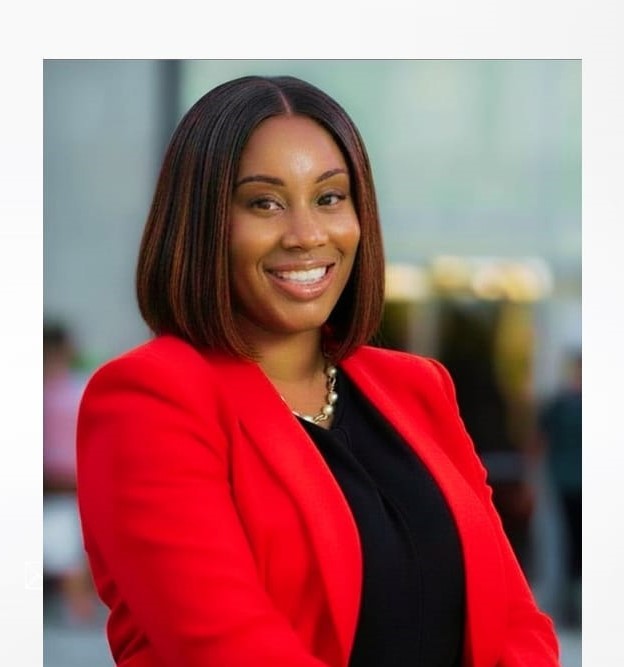
Photo courtesy of Amanda Coombs — JMCmediaEmporium.com’s exclusive feature interview with Ward 7 Candidate Amanda Coombs.
As the municipal election approaches, voters across Humber River–Black Creek (Ward 7) are looking for leadership that truly understands the unique pressures facing their neighbourhoods. Today, we sit down with long-standing community advocate Amanda Coombs. In the first installment of this exclusive two-part interview, Coombs shares her deeply personal journey—from navigating youth homelessness and shelter life while attending York University, to launching grassroots initiatives that have delivered tangible results for Ward 7 long before asking for a single vote. Here is Amanda Coombs, in her own words.
In order to introduce you to our readers who are meeting you for the first time, how would you describe Amanda Coombs? Tell us a bit about your roots and what defines you outside of politics.
A: As a Canadian-born child of Jamaican parents, my heritage and family values are at the foundation of who I am. For as long as I can remember, I have enjoyed serving people and helping others. That started when I was a teenager and had to develop my own self-advocacy skills while trying to navigate housing, employment and education. I encountered many barriers, and those experiences inspired me to eventually create programs that could help other young people facing similar challenges.
I am also a mother. From the day my son was born, I wanted him to grow up in a community where he could feel supported and have every opportunity to succeed. That desire to help people has also shaped my professional life. Over the years, I have worked as an ABA Counsellor, respite worker and mental health counsellor, and I became an instructor in CPR and First Aid as well as a Mental Health First Aid facilitator. Through that work, I have had the opportunity to certify and train hundreds of young people in mental health and emergency response skills.
I completed my undergraduate degree in Psychology at York University and volunteered as a Tenant Representative for 14 years, advocating for residents and improvements in my community.
Outside of politics, I enjoy nature walks, spending time with family and promoting mental health and wellness. At my core, I am a mother, a community advocate, an aunty to many youth, and someone who believes deeply in service, helping people overcome barriers and finding practical solutions that improve people’s lives.
“At my core, I am a mother, a community advocate, an aunty to many youth, and someone who believes deeply in service, helping people overcome barriers and finding practical solutions that improve people’s lives.”
Amanda coombs
You’ve shared that you faced immense hardships as a youth, including being homeless at 16 and staying in a shelter with your son while trying to attend York University—tell us about that experience. Looking back, how did navigating such hardship and systemic barriers ignite your desire to get involved in community advocacy?
A: It was an extremely difficult period of my life, but it also shaped the person I became. Even when I was struggling myself, I was always thinking about how I could help someone else. While living in the shelter, I would cook for women on my floor and help connect them with resources. I advocated for headphones in the computer room so residents attending school could study and complete assignments without being distracted by the noise around them.
I was fortunate to have a strong support system at York University. One professor went above and beyond to help me access food banks and navigate challenges I was experiencing at the shelter. On days when I felt overwhelmed, my sister was allowed to attend class with me as a support person, and I was also able to access counselling on campus.
There were meaningful moments even in the hardship. I sometimes brought my son to lectures with me, and those became memories we still talk about today. Seeing him attend university now makes that journey especially meaningful. Those experiences taught me how powerful advocacy, compassion and access to the right supports can be. They are a major reason I have spent my life helping others navigate systems that can often feel impossible to navigate alone.
You’ve been doing grassroots work in the community for 20 years, and you ran for this seat in 2022. Why are you choosing to step up to the plate again for municipal politics now?
A: When I first ran in 2018, I spent a great deal of time introducing myself to residents, listening to their concerns and learning what was affecting different neighbourhoods across Humber River–Black Creek. When the election ended, I didn’t stop. I went back into the community and continued working on the issues residents had raised and finding ways to create solutions.
By 2022, many of the same concerns remained—community safety, affordable housing, youth unemployment, programs for seniors, property taxes, infrastructure and timely repairs. I realized that community organizations and advocates can accomplish a great deal, but some changes require having someone at the decision-making table who understands these challenges through both lived experience and years of frontline community work.
That is why I continued developing prevention-focused programs for youth and helped launch Neighbours Helping Neighbours, where volunteers assist seniors with transportation to medical appointments, grocery shopping, daily errands and access to fresh produce. I also served on the Toronto Community Housing Board and continued advocating on affordability issues, including concerns from homeowners about rising property taxes.
Firgrove-Grassways was particularly important to me. Seeing families relocated from their community reinforced how important housing stability, timely maintenance, meaningful tenant engagement and the right to return are when decisions are being made about people’s homes.
That is ultimately why I am running again. I don’t want residents to have an advocate only after a decision has been made. I want them to have a strong voice at City Hall while those decisions are being made.
Voters are often cynical about politicians and their promises. Why should the electorate believe that you will truly make a difference, and how do you differentiate yourself from the typical career politician?
A: I am not a career politician. I am a long-standing community resident with more than 20 years of experience advocating for people and delivering tangible results long before asking for their vote. I have a proven track record of taking the concerns residents bring to me and working to turn them into action.
Residents have told me what Ward 7 needs, and I have spent years working on those very issues, from housing and community safety to youth employment and opportunities, mental health, support for seniors and neighbourhood infrastructure. My record demonstrates that I don’t simply talk about problems; I work to find solutions, build partnerships, secure resources and follow through.
I also understand many of these challenges personally. I have experienced housing insecurity, food insecurity and the difficulty of navigating systems when resources are limited. That lived experience keeps me connected to the realities many residents face today.
The difference is that my work did not begin with an election campaign. I have been doing this work for more than 20 years. My message is simple: residents told me what Ward 7 needs, I have spent years working on it and I have a proven track record of delivering results. Now I am ready to take that experience, accountability and commitment to City Hall.
“The difference is that my work did not begin with an election campaign. I have been doing this work for more than 20 years.”
amanda coombs
You said that in 2023, the government awarded your Back 2 Basickz program nearly $1 million to expand into a second location in Scarborough. Tell us about Back 2 Basickz and what did that funding achieve on the ground, and how will you scale that resource-gathering capability to Toronto City Hall?
A: I am proud to have founded Back 2 Basickz Youth Support Services, a nonprofit organization that supports primarily Black and racialized youth through four key areas: education and academic support, employment and career development, mental health and wellness, and support for youth involved in the justice system. Our focus has always been on prevention, removing barriers and creating opportunities for young people to succeed.
The funding allowed us to expand into Scarborough and reach more young people with programming, individualized support and access to resources. Youth have been connected to employment opportunities, skilled trades and training pathways, mental health supports, academic assistance, mentorship, life-skills development and recreational programming.
The expansion also allowed us to strengthen partnerships with organizations that bring additional expertise and opportunities directly to the youth we serve.
While I am proud of what I have built, I am very intentional about keeping my nonprofit work separate from my campaign. What I can speak about is what that experience has taught me as a leader.
I have learned how to identify community needs, build partnerships, secure resources, manage funding responsibly and turn ideas into programs that produce measurable outcomes. Those are transferable leadership skills. At City Hall, I would use that experience to advocate for Ward 7’s fair share of City resources and build partnerships with other levels of government, community organizations, businesses and institutions to bring greater investment and opportunity into our ward.
Editor’s Note: This concludes Part 1 of our feature interview with Amanda Coombs.
Coming tomorrow morning in Part 2: Coombs pivots from her personal history to her concrete blueprint for City Hall. She breaks down her specific strategies for dealing with condo development displacement, balancing the Toronto police budget with preventative social programs, tackling the youth unemployment crisis, and how she plans to navigate the formal committee structures at City Hall. Bookmark our site or subscribe to our newsletter below so you don’t miss the conclusion tomorrow morning!

Judy McNeil
A passionate voice in the JMC Media community, sharing stories that matter.