

Potholes, Policing, and the Future of Ward 7: An Interview with Amanda Coombs (Part 2)

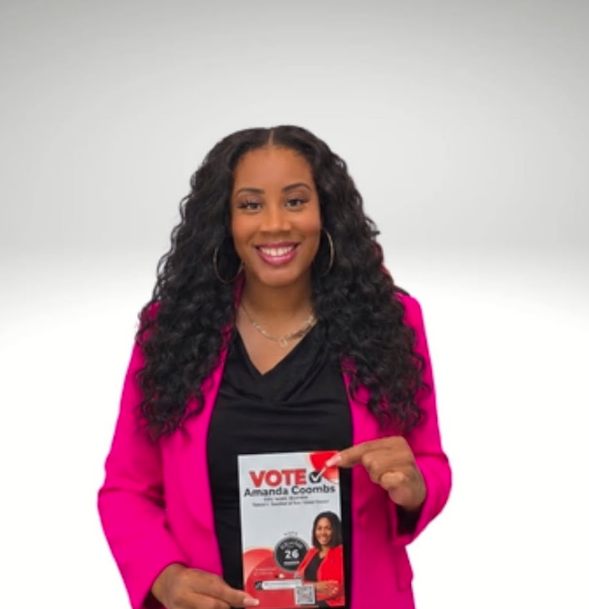
Photo courtesy of Amanda Coombs – JMCmediaEmporium.com’s exclusive feature interview with Ward 7 Candidate Amanda Coombs
Welcome back to the concluding half of our exclusive feature interview with Humber River–Black Creek municipal candidate Amanda Coombs. Yesterday, in Part 1, Coombs shared the powerful lived experiences and grassroots work that shaped her 20-year advocacy journey. Today, we dive straight into policy mechanics. From challenging a decades-long council incumbent to outlining concrete strategies for condo zoning bylaws, public safety budgets, and the pressing youth unemployment crisis, Coombs details exactly how she plans to represent Ward 7 at Toronto City Hall.
With your unique background teaching entrepreneurship inside correctional facilities like Beaver Creek Institution to help men break the cycle of crime, how has this firsthand experience shaped your vision for community safety and local employment programs?
That experience reinforced my belief that community safety must include prevention and opportunity. We cannot wait until someone becomes involved in the justice system and then ask what went wrong. We need to invest earlier in education, employment, mental health, mentorship and pathways to meaningful careers.
I have worked to connect young people with entrepreneurship opportunities, including programs through York University’s LaunchYU, as well as organizations that introduce youth to skilled trades, apprenticeships and employment pathways. I want to expand those opportunities so young people can see a future for themselves in construction, technology, entrepreneurship, the skilled trades and other well-paying careers.
Public safety includes appropriate enforcement, but prevention means giving people real alternatives and opportunities before they reach a crisis point.
In the past you partnered with private organizations to fix neighborhood potholes on Jane Street and repair sidewalks. How will you shift your strategy from this hands-on, independent approach to navigating the formal committee and council processes at Toronto City Hall?
The approach changes, but the principle does not: identify the problem, bring the right people together and follow through until residents see results. As a community advocate, I learned to work with residents, businesses, organizations and government departments to solve problems with the resources available to us. As a councillor, I would have additional tools—bringing motions forward, working through committees, advocating during the budget process, engaging City divisions and tracking service requests to completion.
I also believe councillors should remain hands-on. Residents should not have to understand the entire City bureaucracy to get a pothole repaired or a dangerous sidewalk addressed. My office should help them navigate that system and hold the appropriate departments accountable for delivering results.
Development is booming and new condos are going up, but you’ve noted that low-income residents and local ‘mom and pop’ shops are being pushed out of the community. As a city councillor, what specific municipal bylaws, zoning policies, or budget initiatives will you champion to protect families in your ward from displacement?
I support building more housing, but development must benefit the people who already call our communities home. I would advocate for more affordable and family-sized housing, stronger rental replacement protections, enforcement of Toronto’s renoviction protections, and responsible use of City land and housing partnerships to increase long-term affordable housing.
I also want development decisions to consider infrastructure, local employment and the survival of small businesses. When major developments come into our neighbourhoods, I want to see community benefits, opportunities for local hiring and measures that help existing businesses remain part of the community.
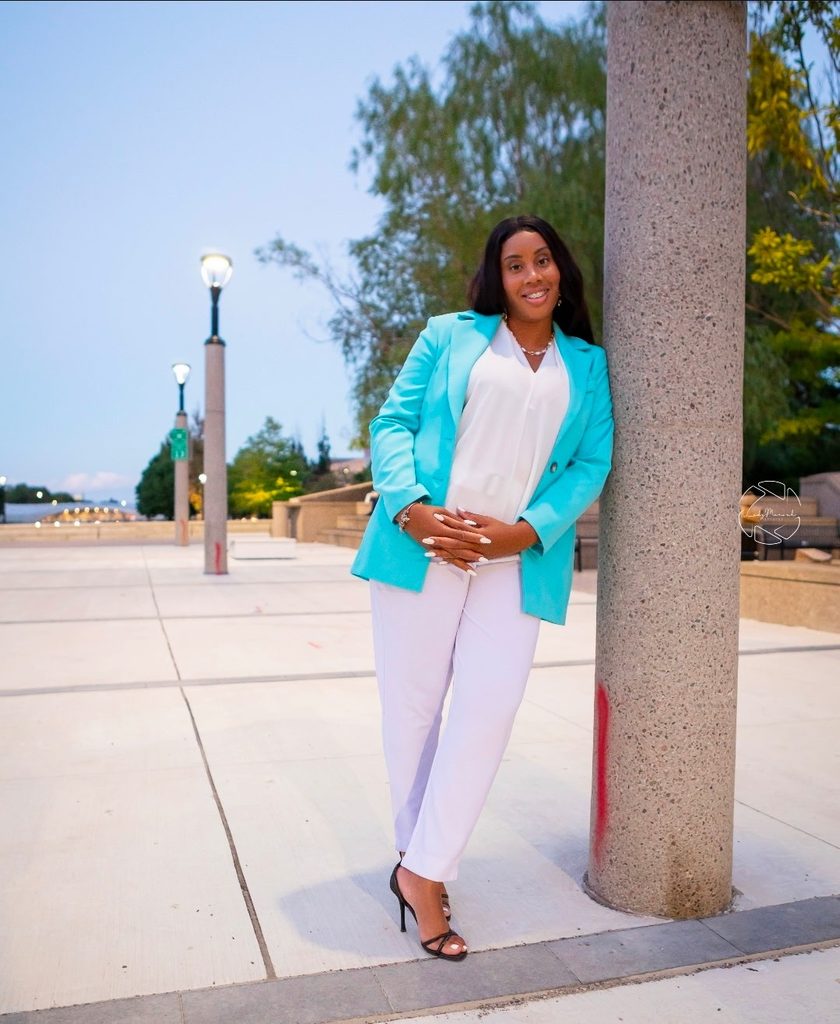
I also want development decisions to consider infrastructure, local employment and the survival of small businesses.
AMANDA COOMBS
Growth is necessary, but residents should not have to choose between welcoming new housing and being able to remain in the neighbourhood they helped build.
You’ve proposed a balanced approach to public safety, suggesting that funding should be shared more evenly between law enforcement and preventative community programming. What does your ideal city budget breakdown look like for Toronto’s community safety and policing?
I would not set an arbitrary percentage without looking at the evidence, service demands and full City budget. My position is that Toronto needs effective policing for serious crime and emergencies while making substantially stronger investments in prevention. That means community-based mental health and crisis response, addiction services, youth intervention, employment, recreation and programs that address the conditions that can contribute to violence and instability. I want police doing the work that requires police while trained mental health, social-service and community professionals respond where their expertise is more appropriate.
Community safety is not achieved through one department. It requires coordinated investment in enforcement, prevention, intervention and healthy neighbourhoods.
From your efforts in canvassing the Fountainhead area, you learned that youth and families preferred a community swimming pool over another skating rink. If elected, how do you plan to gather community input so that infrastructure investments reflect the actual needs of the populace?
Community consultation cannot simply happen after decisions have already been made. I would use town halls, neighbourhood meetings, surveys, youth and seniors’ advisory groups, tenant engagement, online consultations and direct outreach to gather input before major decisions are finalized. The Fountainhead example demonstrates why that matters. We cannot assume we know what residents want simply because something worked somewhere else. If families are asking for a swimming pool rather than another skating rink, their voices should be part of the evidence used to determine how public money is invested.
I also want consultation to reach people who do not normally attend City meetings, including youth, seniors, newcomers, people with disabilities and residents facing language or accessibility barriers.
What is the number one complaint you are hearing from residents on the doorstep, and how do you plan to fix it?
One of the strongest concerns I am hearing at the doors is youth unemployment. Parents are worried because their children are finishing high school, college or university and struggling to find meaningful employment. Young people are also telling me directly that they want independence and autonomy. They want to be able to earn their own income, pay for their daily necessities and begin building their futures without having to rely entirely on their parents. For many young people, being unable to find employment is also affecting their mental health, confidence and sense of hope for the future. A job is about more than a paycheque—it can provide independence, purpose, experience and a pathway toward long-term stability.
My approach is to build stronger pathways between young people and real employment opportunities. That means working with employers, unions, skilled-trades organizations, educational institutions and community partners to expand access to jobs, apprenticeships, training, mentorship and opportunities to earn while they learn. I also want to ensure that when major development and investment come into Ward 7, local youth have a fair opportunity to benefit from the jobs and economic opportunities being created. Our young people are ready and willing to work. We need to do a better job of opening the doors that allow them to get started.
You are running in a community where the current councillor has held an elected seat in some capacity since 1985. What is your core strategy for convincing long-time voters that it is time to pivot toward a new generation of representation?
My campaign is not about how long someone else has been in office. It is about what Ward 7 needs for its next chapter. Residents deserve representation that is present, accessible, transparent and connected to the realities they experience today. For more than 20 years, I have been working in this community, not only during election periods, supporting residents, advocating for improvements and creating opportunities.
My core promise is proven leadership with accountability. I want residents to judge me by measurable results: more housing people can afford, better infrastructure, safer and cleaner neighbourhoods, stronger services for seniors and people with disabilities, and real employment and training opportunities for our youth.
The journey to your political path is a spiritual calling; that’s how you describe it, and you express a desire to be a ‘light’ at City Hall. How do you plan to balance your personal faith with the responsibility of representing an incredibly diverse population with many different religious and non-religious backgrounds?
My faith is personal to me, and it has always taught me that we are called to serve others, particularly people who are struggling or in need. When I talk about being a light, I mean being a source of hope, compassion and encouragement—being that ray of sunshine in someone’s life when they may be going through a difficult time. That is not about catering to one religion or imposing my personal beliefs on anyone. Humber River–Black Creek is one of the most diverse communities in Toronto, with residents from many different cultures, religions and backgrounds, as well as people who do not identify with any faith.
If elected, I would represent everyone equally. Whether someone is Christian, Muslim, Hindu, Jewish, Sikh, Buddhist, follows another faith or has no religious affiliation, they deserve the same respect, access and representation from their councillor. My faith guides how I choose to serve people; it does not determine who I serve. My responsibility at City Hall would be to listen to every resident, treat people with dignity and make decisions based on what is fair and in the best interests of the community as a whole.
You emphasized the urgent need for leaders who ‘look like us’ to be sitting at the tables where life-altering decisions are made. What specific message do you have for young Black professionals and youth in Humber River–Black Creek who look up to you as a potential leader?
When I say we need leaders who “look like us,” I am talking about representation in the broadest sense. Yes, racial representation matters, particularly for Black communities that have historically been underrepresented at decision-making tables. But I am also talking about everyday people—people who understand what it is like to worry about rent, struggle to find employment, experience food insecurity, raise a family on a limited income or navigate systems that were not always designed with them in mind.
We need more people at decision-making tables who understand these realities through lived experience, not only through reports and statistics. Leadership should not be reserved for career politicians or people who have always had access to power. My message to young Black professionals and youth is that your voice belongs in those rooms too. Do not allow your circumstances, your postal code, your mistakes or the barriers you have experienced to convince you that leadership is for somebody else.
I want young people in Ward 7 to see themselves in the skilled trades, universities, entrepreneurship, public service, boardrooms and elected office. Representation matters, but true representation should also open doors for the people coming behind you.
If you can only accomplish one major thing in your first term, what would it be?
If I had to choose one, it would be creating stronger pathways to economic stability for Ward 7 residents, particularly our young people. I want to significantly expand opportunities that connect youth to meaningful employment, skilled trades, apprenticeships, training, entrepreneurship and long-term career pathways. Employment affects so much more than a paycheque. It provides independence, builds confidence and can improve housing stability, mental health, family well-being and hope for the future. I am hearing directly from young people who want to work, earn their own income and become less dependent on their parents for their everyday needs.
I also want to ensure that the development and investment coming into Ward 7 creates tangible opportunities for the people who already live here. As our community grows, local residents and young people should have a fair opportunity to benefit from the jobs, training and economic opportunities that growth creates.
As we head toward the election, what is the single most important message you want voters to keep in mind when they step into the voting booth to choose their next City Councillor?
Do your research. Don’t cast your vote simply because you recognize a name. Look at each candidate’s record and ask: Who has actually been doing the work? Who has been present when there wasn’t an election? Who understands the challenges residents face, and who has demonstrated that they can turn advocacy into results?
For more than 20 years, I have served, advocated and worked alongside residents. I am not asking voters to judge me only by what I promise to do. I am asking them to look at what I have already done and then decide who they trust to take Ward 7’s priorities to City Hall.
Editor’s Note: Thank you for reading our two-part feature series with Amanda Coombs. If you missed the first half detailing her personal journey, overcoming housing insecurity, and her grassroots work with Back 2 Basickz, you can read Part 1 right here.
As Ward 7 prepares to head to the ballot box, we want to hear from you. Do you agree with Coombs’ balanced approach to the city’s safety budget and youth employment pathways? What is the number one issue you are facing at your doorstep this election? Leave your thoughts in the comments section below and share this article with your neighbours to keep the conversation going.

Judy McNeil
A passionate voice in the JMC Media community, sharing stories that matter.


